
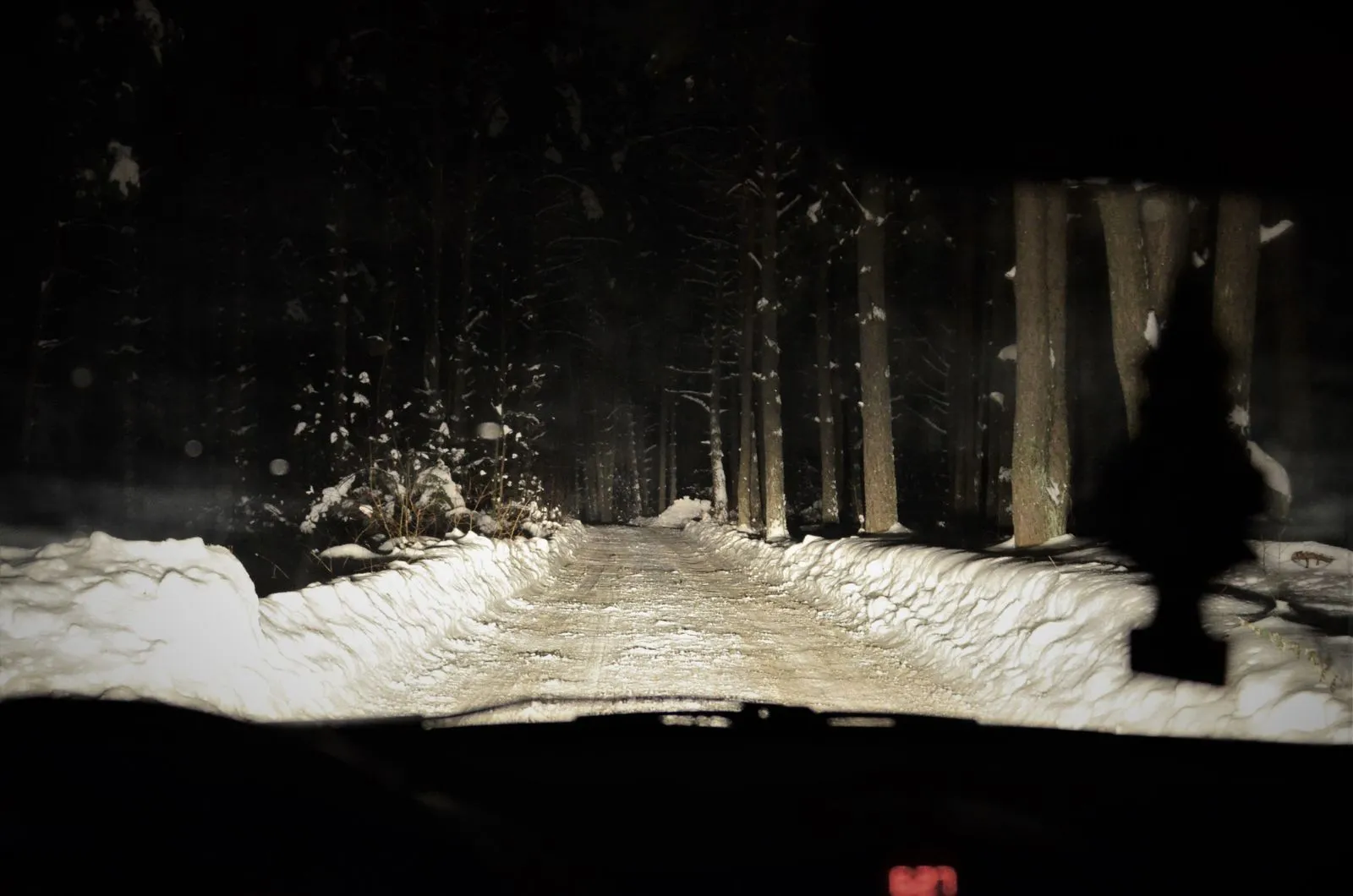
Rochester winters can bring snow, slush, and changing road conditions, so a used car should be judged on more than its price and appearance. Focus on four practical factors: tires, drivetrain, ground clearance, and maintenance history. No vehicle can eliminate winter driving risks, but the right combination can help you choose a car that suits your routes, parking situation, and comfort level. Use these checks to compare vehicles more confidently before you buy.
Check the tires first
Ask whether the car has dedicated winter tires, all-season tires, or all-weather tires. Winter tires are designed to maintain grip in cold conditions and on snow, but their condition matters: check tread depth, uneven wear, cracks, and the tire’s age. If the car comes with a second set, ask whether the wheels are included and how each set was stored.
Look at the tire size listed on the driver-side door label or in the owner’s manual, then compare it with the tires installed. Confirm that all four tires are the same type and size unless the manufacturer specifies otherwise. If you plan to buy winter tires separately, include their cost and seasonal changeovers in your ownership budget.
Compare drivetrain realistically
Front-wheel drive, rear-wheel drive, and all-wheel drive each affect how a car puts power to the road. All-wheel drive can help a vehicle get moving on slippery surfaces, while front-wheel drive may suit many daily commutes. Neither replaces tires with suitable tread or careful driving, and all-wheel drive does not make a car stop faster on ice.
Consider where and how you drive. If your route includes unplowed streets, steep driveways, or frequent trips outside the city, compare vehicles with those conditions in mind. Ask the seller to identify the drivetrain and check the owner’s manual for its maintenance requirements. For all-wheel-drive models, review service records for the relevant fluids and repairs.
Assess ground clearance
Ground clearance is the space between the road and the car’s lowest point. More clearance can help when driving through deeper snow or over rutted streets, but it does not guarantee traction or make every route safe. Compare the vehicle’s clearance in its specifications, and inspect the underside for damage, corrosion, or signs of a hard impact.
Think about your normal parking and driving conditions. A lower car may work well if your streets are routinely cleared and you park in a garage. If you often encounter deep snow at the end of a driveway, a vehicle with more clearance may be a practical fit. Match the car to the conditions you actually face rather than choosing based on appearance alone.
Review cold-weather maintenance
Ask for maintenance records and look for consistent oil changes, battery checks or replacement, brake service, and cooling-system work. In cold weather, a weak battery can make starting difficult. Have a mechanic test it and inspect the charging system rather than relying only on whether the car starts during a brief visit.
During a test drive, check that the heater and defroster work, the windows clear properly, and warning lights go out as expected. Ask when the coolant, brakes, and drivetrain fluids were last serviced, and have an independent mechanic inspect the car before purchase. Rochester Japan Auto can help you compare available used vehicles against these winter-focused checks.
Compare each car’s tire condition, drivetrain, clearance, and service history alongside its price and daily practicality. A careful inspection and independent mechanical check can reveal issues that a quick test drive may miss. Make a short list of your winter driving needs, then use it to guide your search and ask the seller specific questions.